
 EN
EN  EN
EN  RU
RU  ES
ES  KO
KO  JA
JA  PT
PT  IT
IT  DE
DE  FR
FR  NL
NL Cigarette Packaging Manufacturing Guide
A Practical Guide to Cigarette Box Materials, Standards and Production
Cigarette packaging plays a critical role in product protection, brand presentation, consumer information and regulatory compliance. For manufacturers and brand owners, every decision matters: paperboard weight, box structure, warning layout, printing method, finishing process and production capacity all affect the final packaging result.
This guide explains cigarette box production from material selection to industrial manufacturing. It also highlights how GPLPAK supports high-quality, customizable cigarette packaging solutions with automated production, strict quality control and scalable manufacturing capability.
Industrial Production Needs More Than a Good Design
A cigarette box must be printable, foldable, compliant, durable and repeatable at scale. GPLPAK helps buyers connect design ideas with practical production logic.
1 · Material Selection
Materials in Cigarette Box Manufacturing
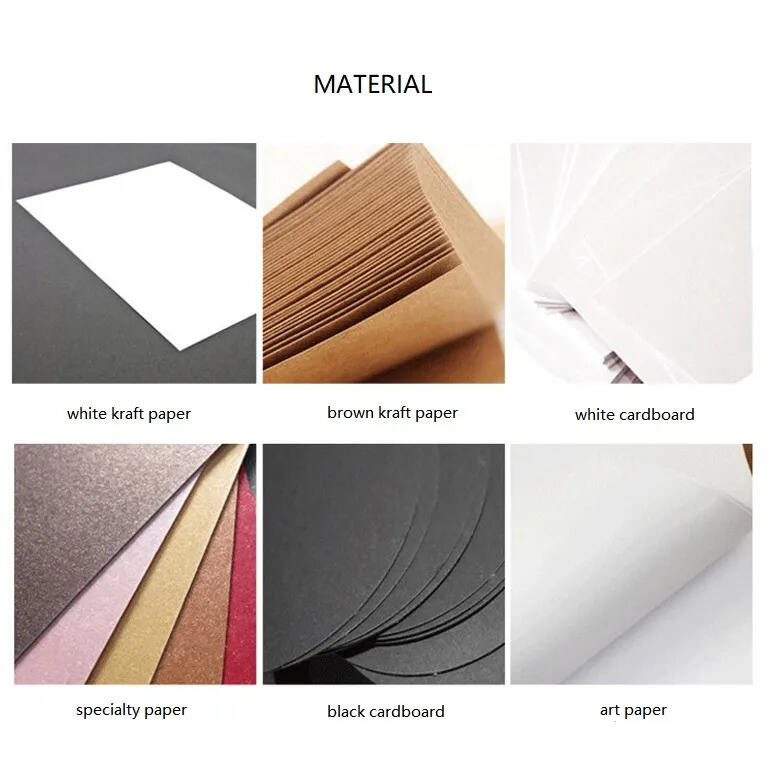
Material selection affects print quality, box strength, shelf appearance, production efficiency and sustainability positioning. Cigarette box buyers should choose materials based on structure, target price point, finishing needs and regulatory requirements.
Paperboard
Paperboard is widely used for standard cigarette packaging because it is lightweight, printable and efficient for folding carton production.
Commonly used around 300–400 gsm.
Suitable for offset printing and large-volume production.
Can be laminated or coated for added surface protection.
Chipboard
Chipboard is thicker and more rigid than standard paperboard, making it useful for premium packaging structures that need a sturdier feel.
Adds a more solid hand feel.
Useful for luxury or gift-oriented cigarette boxes.
Works well with premium finishing options.
Plastic films and seals
Plastic films may be used for tamper-evident packaging, seals or windows, but many buyers are reducing plastic use because of sustainability goals.
Can support security and product protection.
Should be evaluated against local packaging rules.
Paper-based or recyclable alternatives may be preferred in some markets.
FSC and sustainable papers
Sustainability is becoming a key consideration in cigarette packaging sourcing. GPLPAK supports FSC-certified paperboard and eco-friendly material options.
Supports responsible sourcing goals.
Helps align packaging with sustainability expectations.
Suitable for recyclable and paper-based packaging strategies.
2 · Compliance Awareness
Compliance Standards for Cigarette Packaging
Cigarette packaging is subject to strict rules that vary by market. These rules are designed to support public health communication, limit youth access and reduce environmental impact. Buyers should always confirm the exact legal requirements of the destination market before production.
Health warning layout
Many markets require graphic or text health warnings on cigarette packaging. Warning size, position and content differ by country or region, so artwork should be checked against local rules before printing.
Child-resistant requirements
Some markets may require child-resistant packaging or special access-control mechanisms. Structure design should be reviewed early if the target market has specific safety requirements.
Sustainability regulations
Growing environmental expectations are pushing brands toward recyclable, biodegradable or responsibly sourced packaging materials, especially in markets with strong sustainability policies.
3 · Dimensions
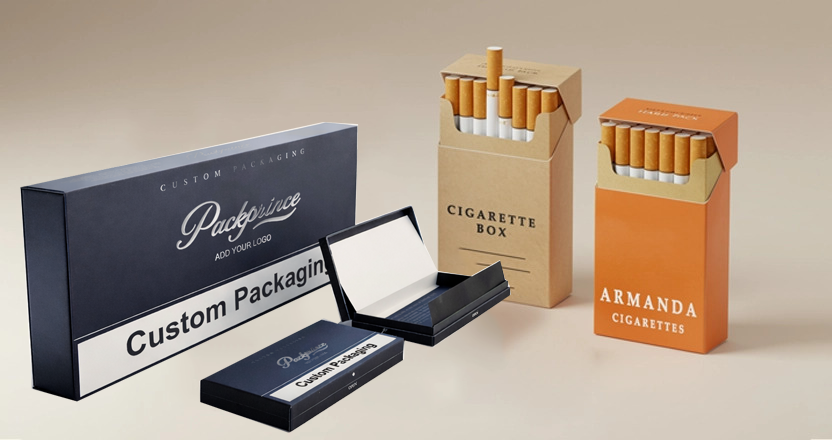
Cigarette Box Dimensions & the Cigaronne Style
Cigarette box dimensions affect functionality, branding space, pack feel and production setup. Standard packs are common, but many premium brands use custom dimensions to stand out visually.
Standard cigarette box
85mm × 55mm × 22mm
Regular 20-cigarette packs
Efficient for mass production and familiar retail handling.
Cigaronne style box
122mm × 65mm × 16mm
Luxury and premium brands
Sleek, compact and suitable for larger branding surfaces.
Slim cigarette box
85mm × 40mm × 20mm
Slim cigarettes and niche markets
Works best when product dimensions and insert fit are confirmed early.
4 · Production Techniques
Key Production Techniques
Efficient cigarette box production depends on precision, repeatability and process control. Each step affects final box quality, from dieline accuracy to folding stability and surface finishing consistency.
Die-cutting & folding
Die-cutting creates the exact carton shape, while folding forms the box structure. Accurate tooling is essential for uniform boxes across large orders.
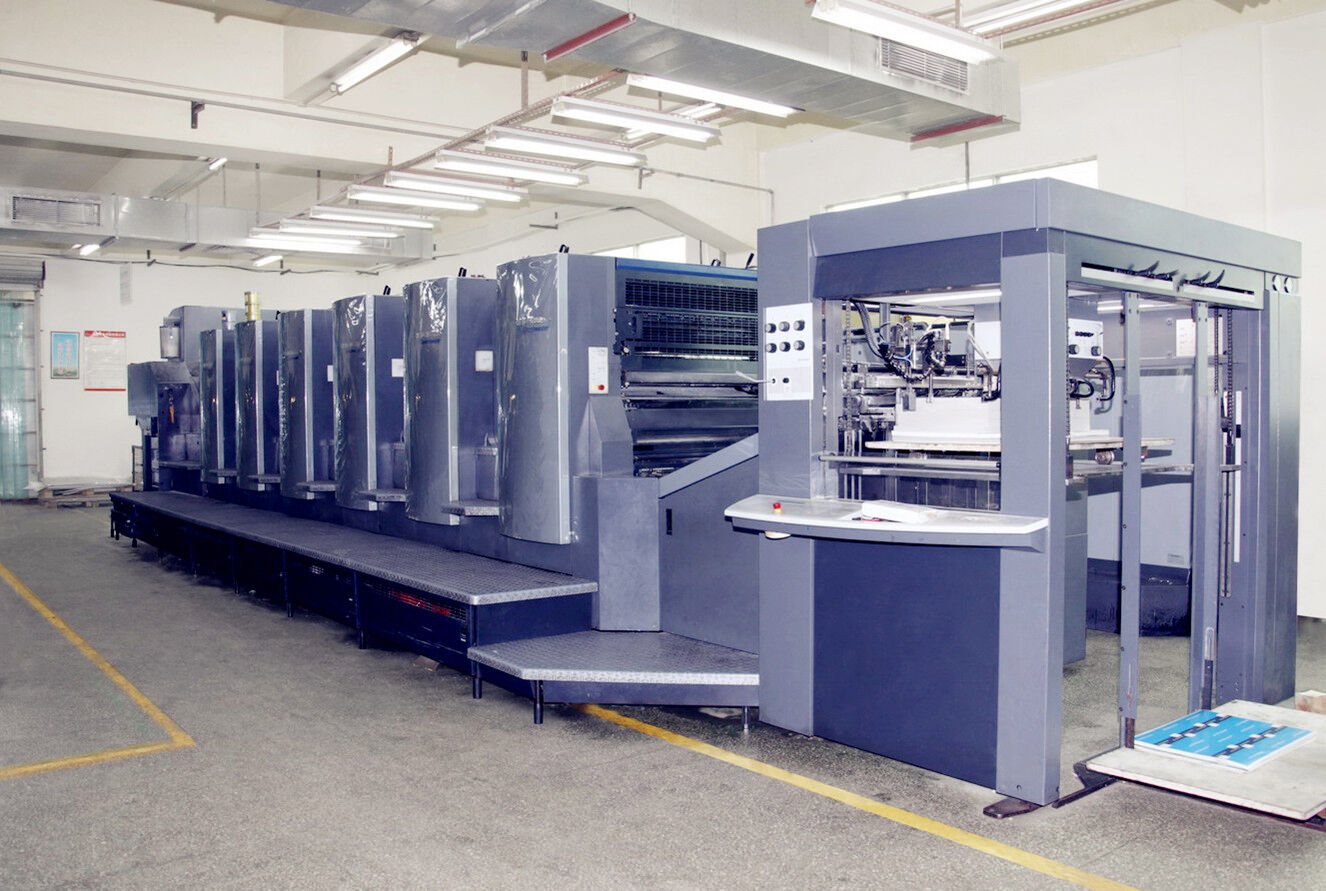
Offset printing
Offset printing is commonly used for cigarette packaging because it supports high-quality graphics, consistent colors and efficient volume production.
UV coating
UV coating can enhance surface durability and visual impact. It is often used when brands need stronger shelf presence or premium surface contrast.
Embossing & debossing
Raised or recessed details can add tactile value to logos, patterns and brand marks, especially for premium cigarette packaging.
Foil stamping
Metallic foil can highlight logos, borders and premium details, helping brands create a more distinctive visual identity.
Soft-touch lamination
Soft-touch surfaces create a smooth tactile feel and can support a more premium unboxing and handling experience.
5 · Premium Structure
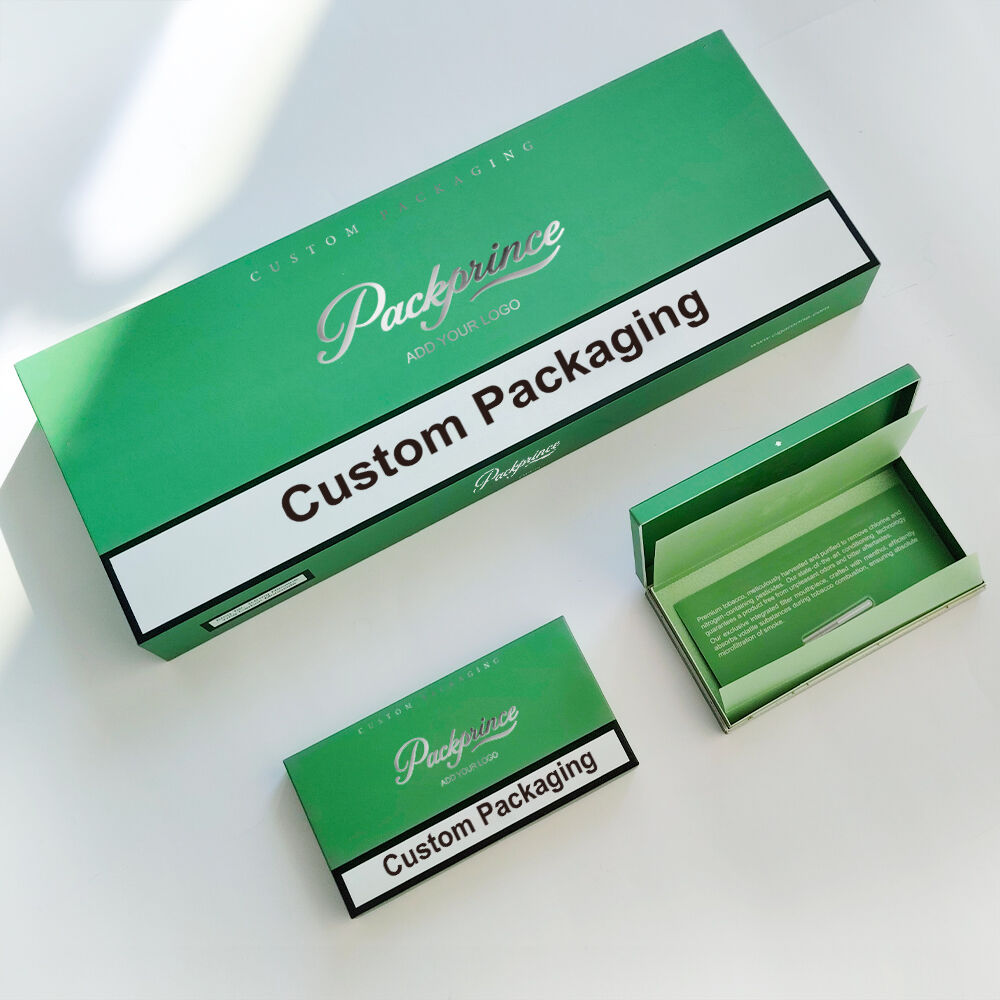
The Cigaronne Style Box: A Trend in Premium Cigarette Packaging
The Cigaronne-style box has become popular among premium cigarette brands because of its sleek, compact structure and larger visual branding surface. With typical dimensions around 122mm × 65mm × 16mm, it offers a refined format for high-end product positioning.
Compact and elegant
Its slim profile creates a polished visual appearance while maintaining practical pack handling.
More branding space
The format gives brands more space for graphics, finishes, compliance panels and premium design details.
Distinct market presence
The non-standard format helps premium brands stand out from conventional cigarette pack shapes.
6 · Industrial Manufacturing
Industrial Production & Manufacturing at GPLPAK
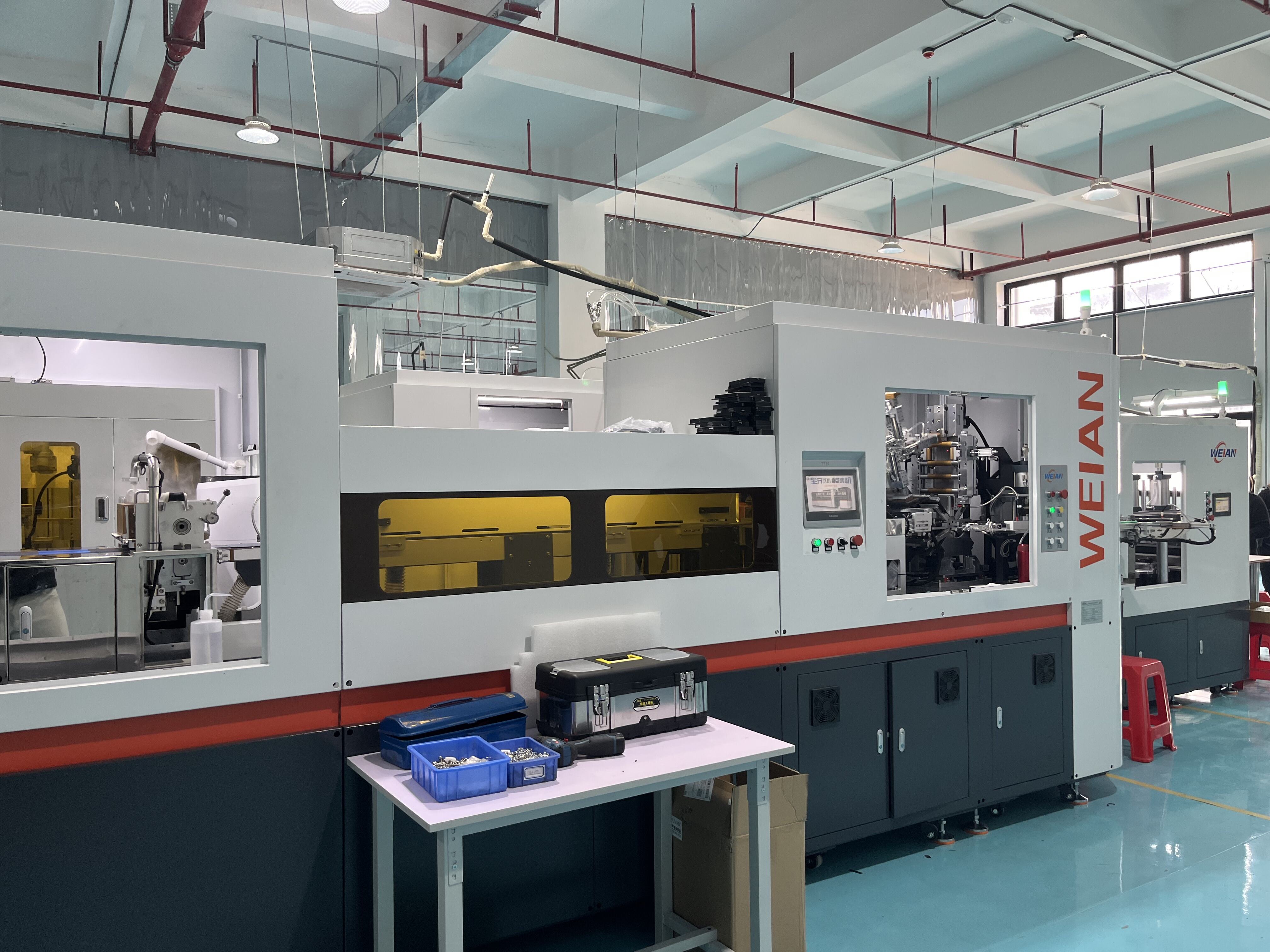
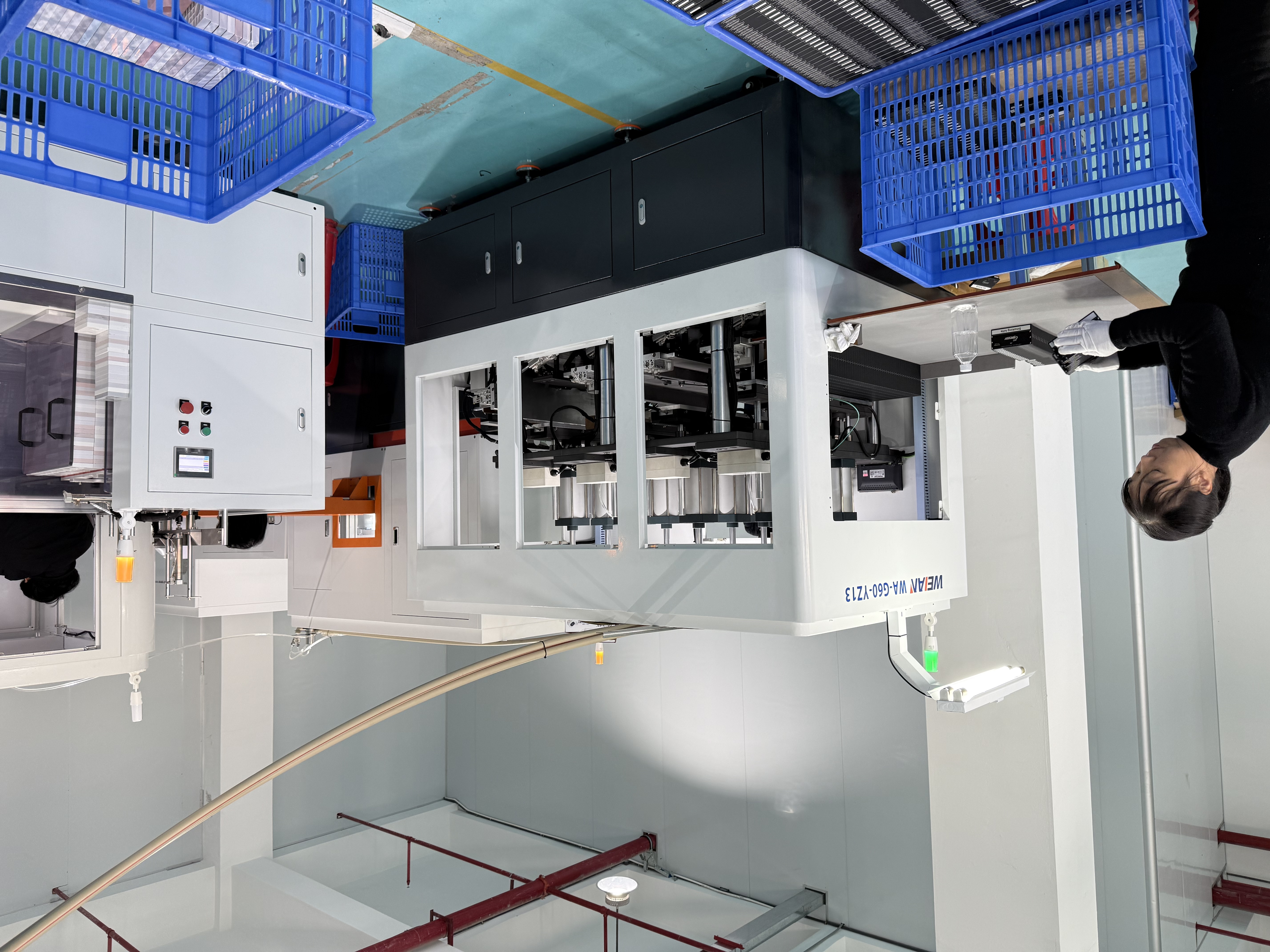
High-volume cigarette box production requires automated equipment, stable process control and strict inspection. GPLPAK uses sixth-generation fully automated production systems to support large cigarette box orders with speed and precision.
High production capacity
Automated production systems can produce up to 50,000 units per day, helping buyers meet high-volume order requirements.
Quick turnaround
GPLPAK can support delivery of up to 100,000 sets within 30 days, depending on project complexity, artwork readiness and production schedule.
Strict quality assurance
Each box is checked for dimensional accuracy, appearance, surface finishing, structural stability and production consistency.
Production priorities
Speed alone is not enough. GPLPAK prioritizes speed, precision, consistency and sustainability so buyers can manage large orders without sacrificing packaging quality.
7 · Supplier Evaluation
How to Choose the Right Cigarette Box Manufacturer
Choosing a cigarette box manufacturer is not only about comparing unit price. The right supplier should understand packaging materials, compliance requirements, artwork execution, production capacity and repeat-order consistency.
Industry experience
Choose a manufacturer with experience in cigarette packaging so they understand dimensions, compliance layouts, production workflow and quality expectations.
Production capacity
Confirm whether the supplier can handle your order volume, timeline and repeat production needs without losing consistency.
Customization options
A strong manufacturer should support custom size, paper type, printing, finishing, coating, embossing and foil stamping options.
Compliance knowledge
The manufacturer should be able to work with your compliance brief, warning layout requirements and destination-market packaging standards.

8 · FAQ
Frequently Asked Questions
What materials are best for cigarette boxes?
Paperboard, chipboard and FSC-certified paper materials are common options. The best choice depends on required rigidity, printing effect, sustainability goals and market requirements.
How can I customize cigarette packaging?
Customization can include box size, shape, material, printing, embossing, foil stamping, UV coating, soft-touch lamination and other surface finishing options.
What are the lead times for large cigarette box orders?
GPLPAK’s production capacity can support up to 100,000 sets within 30 days, depending on artwork approval, material availability, finishing complexity and production schedule.
Can GPLPAK produce Cigaronne style cigarette boxes?
Yes. GPLPAK supports Cigaronne-style boxes with custom dimensions, premium finishing, branding layouts and scalable production support.
Do cigarette boxes need compliance review before printing?
Yes. Health warnings, market labels, child-resistant requirements and sustainability claims should be reviewed according to destination-market regulations before mass production.
9 · Conclusion
Cigarette Box Production Requires Material, Compliance and Manufacturing Precision
Cigarette packaging is an essential part of tobacco product presentation and distribution. From choosing paperboard and chipboard to planning compliance layouts, dimensions, printing, finishing and automated manufacturing, every detail affects the final result.
By partnering with GPLPAK, buyers can access customizable cigarette packaging solutions supported by material knowledge, industrial production capability and strict quality control.
Need Custom Cigarette Box Production Support?
Share your box dimensions, target market, compliance requirements, material preference, quantity and finishing needs. GPLPAK will help you evaluate a practical cigarette packaging solution for production.




 Hot News
.jpg)
