
 EN
EN  EN
EN  RU
RU  ES
ES  KO
KO  JA
JA  PT
PT  IT
IT  DE
DE  FR
FR  NL
NL 
Packaging Overview
Why aligner packaging needs a different design mindset
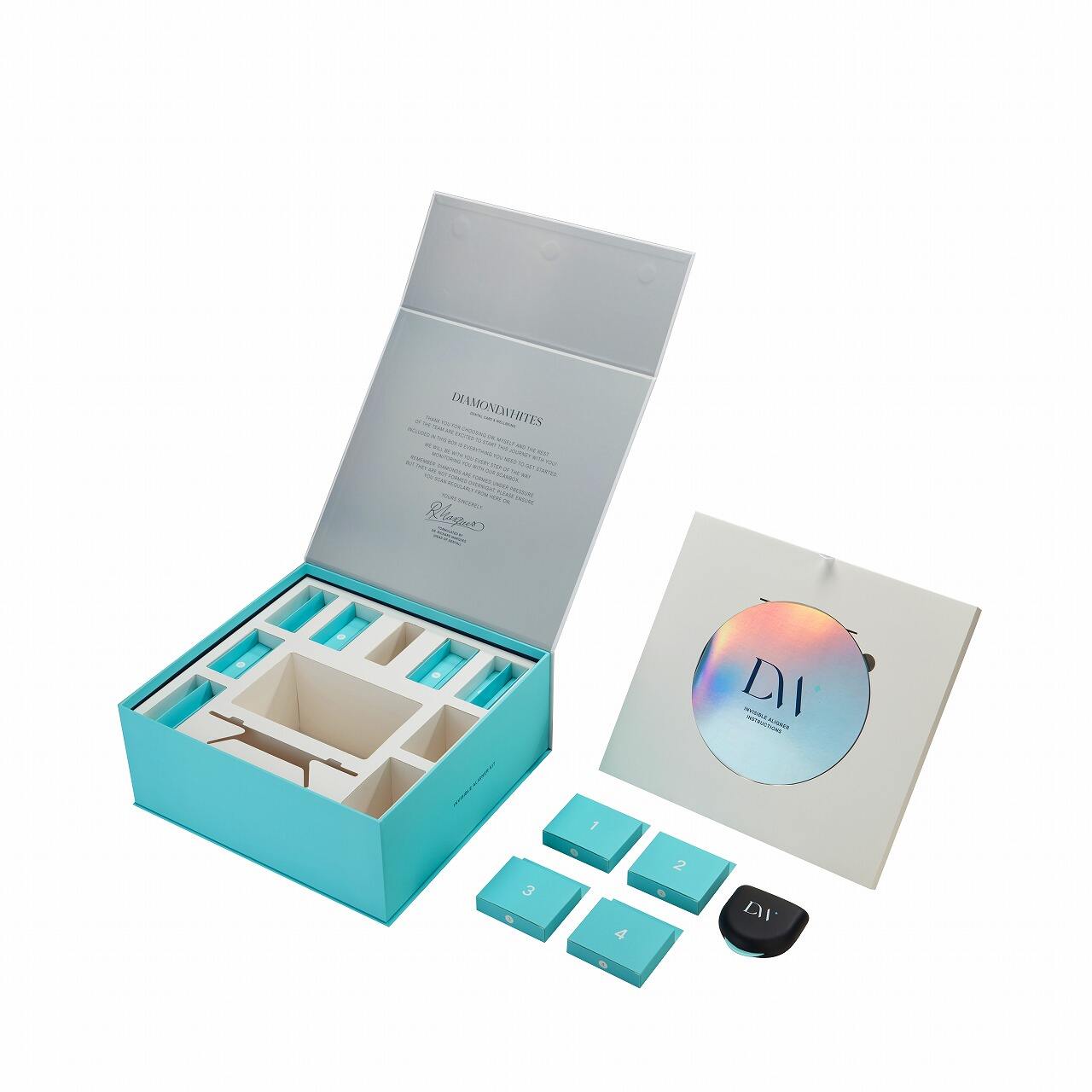
Clear aligners are often used over multiple stages, so packaging must help the user identify, store and access each tray clearly. A strong packaging system can reduce confusion, improve perceived professionalism and support a more confident treatment journey.
For orthodontic brands, dental clinics and OEM device companies, packaging also carries brand identity. A clean box structure, accurate insert layout, readable instructions and consistent visual system can make the product feel more trustworthy and easier to use.
01 · Market Needs
Aligner packaging must serve both brands and patients
Packaging is part of the patient journey. It needs to support hygiene, clarity, storage convenience, brand confidence and repeat-use organization.
Hygiene-sensitive product handling
Aligners come into direct contact with the mouth, so packaging should help keep each tray protected from dust, handling contamination and unnecessary exposure before use.
Clear stage organization
Treatment can involve multiple trays. Packaging should make upper and lower trays, step numbers and usage sequence easy to understand.
Professional brand presentation
The box should feel clean, precise and trustworthy. Good packaging helps orthodontic brands and clinics communicate reliability before the patient starts using the product.
Supply chain consistency
For OEM and clinic-branded projects, repeat production consistency matters. Materials, inserts, printing and labeling should remain stable across batches.
02 · Hygiene by Design
Build hygiene protection into the packaging system
For aligner kits, hygiene is usually achieved through a combination of primary packaging, protective organization and clean user instructions. For sterile medical devices, validated sterile barrier systems require separate regulatory and technical validation.
Individual tray protection
Use sealed pouches, sleeves, small boxes or labeled compartments to separate different aligner stages and reduce handling confusion.
Tamper-evident features
Security seals, tear strips, shrink sleeves or sealed labels can help users identify whether the package has been opened before delivery.
Cleanable inner surfaces
Smooth paper coatings, coated inserts or easy-wipe travel cases can support a cleaner daily-use experience.
Traceability and instructions
QR codes, batch codes, step labels and user guide cards can help patients follow the correct sequence and help brands manage product information.
03 · Structure Options
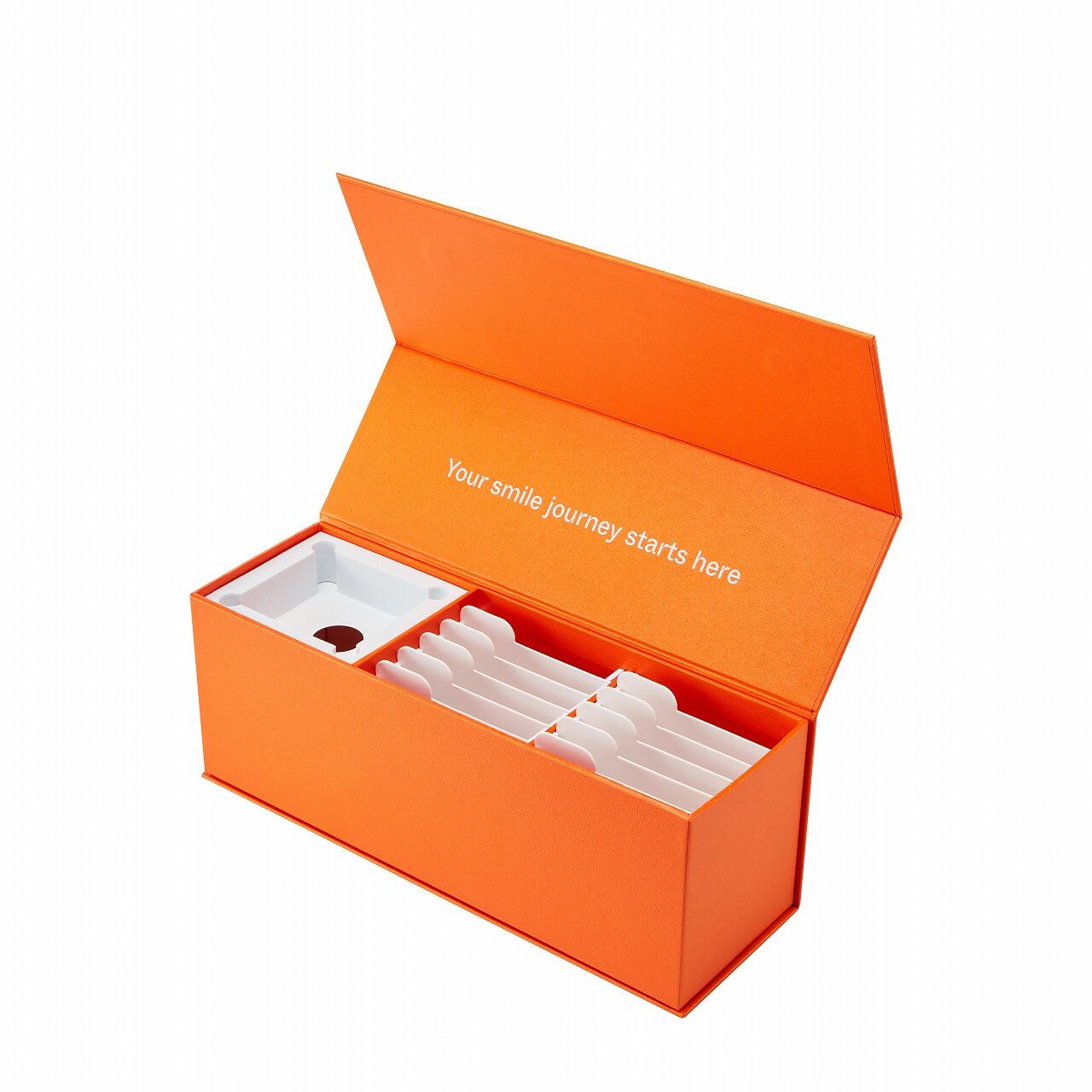
Choose a structure that supports treatment organization
04 · Branding System
Turn aligner packaging into a trusted brand touchpoint
Aligner packaging should not look generic. A clean and consistent visual system helps clinics, OEM brands and direct-to-consumer aligner companies build professional recognition.
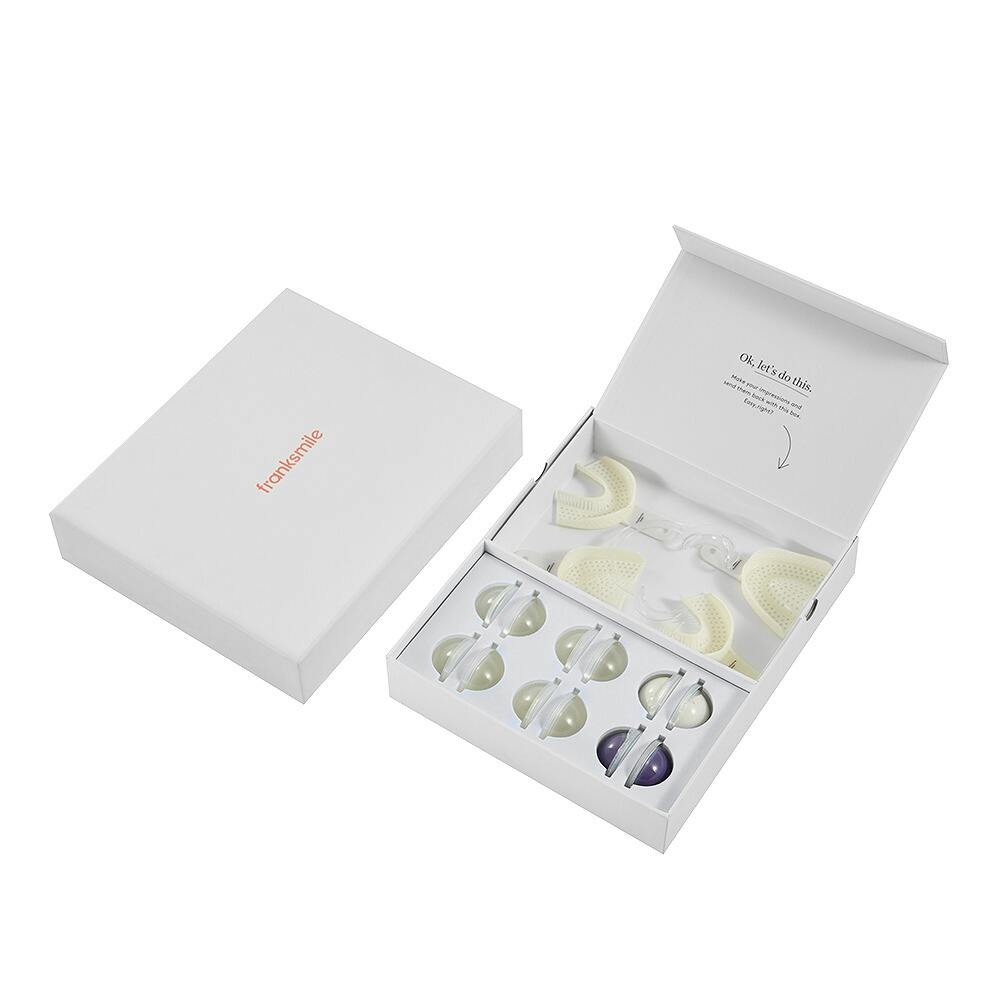
Clinic-branded packaging
Orthodontic clinics can use custom boxes with clinic logos, treatment messaging and patient-friendly instruction cards to strengthen trust.
OEM and private label systems
Packaging can be designed for white-label orthodontic brands, including logo placement, color systems, user guide layout and modular tray formats.
Premium surface treatments
Soft-touch lamination, spot UV, foil stamping, embossing and matte coatings can make the package feel more refined while keeping a clean medical-inspired look.
Unified visual language
Outer boxes, tray sleeves, travel cases, pouches, manuals and QR cards should share the same typography, color palette and information hierarchy.
05 · User Experience
Make the patient journey easier from the first box opening
Clear aligner packaging should guide the user naturally. If the package is hard to understand, the treatment experience feels less professional.
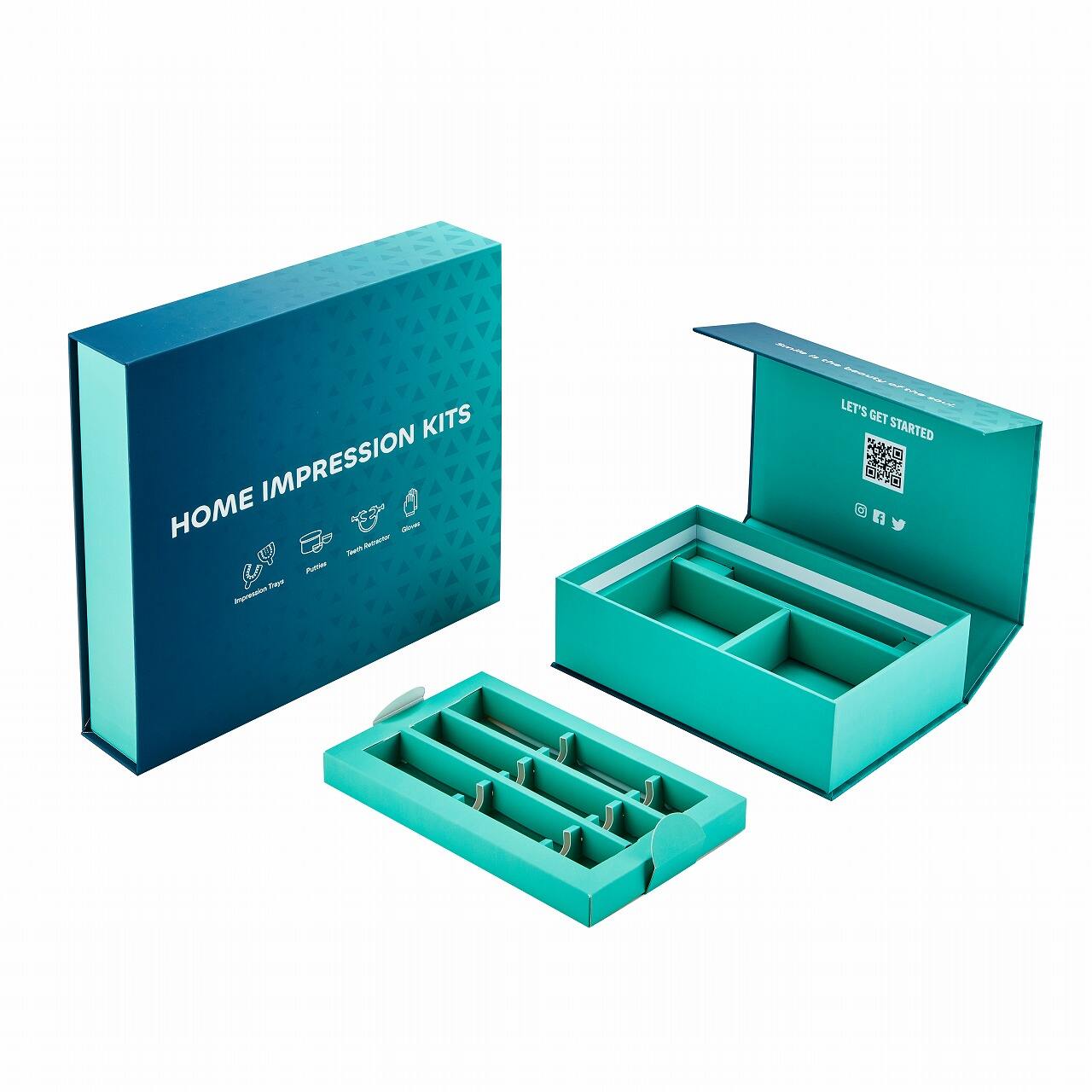
Clear step labeling
Stage numbers, upper/lower tray marks, left/right indicators and color-coded labels can help patients avoid mixing trays.
Guided unboxing sequence
A welcome card, usage guide, QR video link and organized tray layout help users understand what to do next.
Daily storage convenience
A travel case, reclosable pouch or dedicated accessory area supports daily use after the first package opening.
Clean visual layout
Medical and dental packaging should avoid visual clutter. Simple hierarchy, legible typography and enough white space make the package feel more reliable.
06 · Materials & Validation Planning
Select materials according to hygiene, protection and brand needs
Material choice should consider product sensitivity, shipping risk, printing quality, user handling and regulatory expectations.
Rigid paperboard outer box
Provides premium presentation, stable protection and strong branding space for kit packaging, clinic handover boxes and starter sets.
Paperboard or molded pulp inserts
Useful for organizing pouches, cases, cards and accessories while reducing reliance on plastic trays.
Barrier pouches or sleeves
For individual aligner trays, brands may use pouches, sleeves or small cartons depending on hygiene goals, labeling needs and product workflow.
Shipping and durability testing
Drop testing, vibration review, compression checks and carton packing review help ensure the kit arrives clean, organized and undamaged.
Important validation note
For sterile medical device packaging, brands should validate the sterile barrier system, sealing process, aging performance and regulatory documentation with qualified testing partners. Custom paper boxes can support presentation and secondary packaging, but certified sterile performance requires formal validation.

07 · Packaging Boundary
Dental implant packaging and aligner packaging share logic, but not the same requirements
08 · GPLPAK Support
How GPLPAK supports aligner packaging projects
GPLPAK helps dental and healthcare-related brands develop custom paper packaging systems that combine structural design, branded presentation, organized inserts, sampling and scalable production.
Project Checklist
Checklist before requesting an aligner packaging quotation
09 · FAQ
FAQs about aligner packaging solutions
What is aligner packaging?
Aligner packaging is a custom packaging system used to organize, protect and present clear aligners, treatment stages, user guides, travel cases and related accessories.
Which box structure is best for aligner kits?
Magnetic rigid boxes, book-style boxes, drawer boxes and multi-compartment kit boxes are common choices. The best option depends on how many trays and accessories need to be organized.
Can aligner packaging be clinic-branded?
Yes. Boxes, sleeves, user cards, pouches and inner panels can be customized with clinic logos, brand colors, QR codes and instruction layouts.
Can aligner packaging use eco-friendly materials?
Yes. Brands can use FSC paperboard, recycled board, molded pulp inserts, paper-based dividers and reduced-plastic structures depending on product and regulatory needs.
What should I prepare before asking for a quote?
Prepare tray quantity, product dimensions, box structure idea, insert requirements, artwork, labeling content, material preference, order quantity and target delivery date.
Build aligner packaging that feels clean, organized and brand-ready
Whether you need a clinic-branded aligner kit, OEM dental packaging, a premium starter box or a modular tray system, GPLPAK can help develop custom packaging from concept and sampling to mass production and export delivery.
Request an Aligner Packaging Quote View Development Sampling Browse Custom Packaging Products
 Hot News
.jpg)
